

Won't it happen to us?

The Valencia flood disaster in Spain is frightening, and it's impossible to say it won't happen to us. The climate crisis is a major problem for all countries, especially those around the Mediterranean.
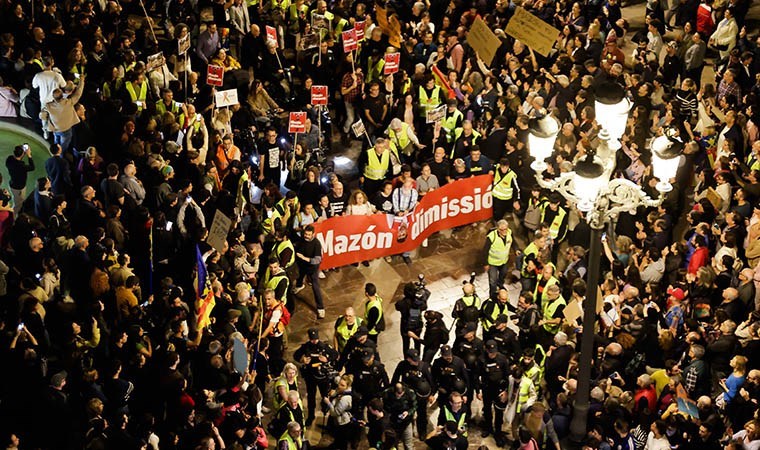
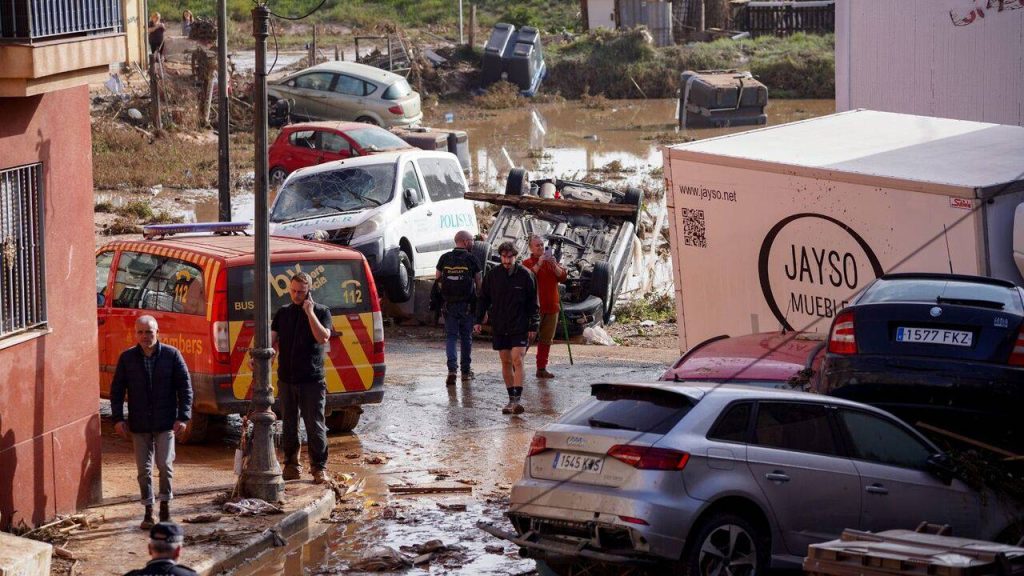
In eastern Spain's Valencia at the end of October, a year's worth of rain fell in a single day, causing catastrophic flooding. The region was inundated, destroying bridges, roads, and towns. The death toll in Valencia alone reached 215, while the total number of deaths nationwide, including in Castile-La Mancha and Andalusia, reached 223.
The reason is the climate crisis…
Rising temperatures resulting from the climate crisis are causing water to evaporate rapidly, leading to droughts, while also allowing warm air to hold more moisture. This increases the likelihood of catastrophic downpours like the one experienced in Valencia. Scientists warn that extreme weather events are increasing in the region due to climate change. Experts say that the warming of the Mediterranean is accelerating water evaporation, triggering heavy rainfall.
“They couldn't manage the disaster.” We remember this from somewhere
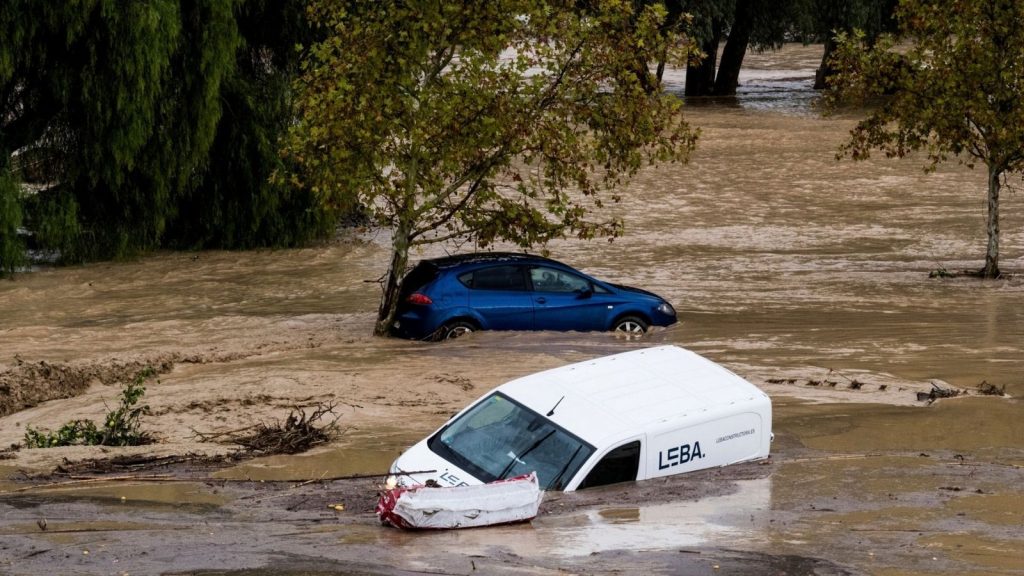
Meanwhile, at demonstrations held in Valencia and Alicante, called upon by 65 regional civil society organizations (NGOs), a crowd marching behind a banner reading "Mazon resign" blamed Mazon, the president of the Valencian autonomous government, for the deaths of so many in the floods. The NGOs organizing the demonstration said, "We are angry, but this is a silent anger, and we wanted to bring it to the squares. The Valencian autonomous government has been incompetent in managing the crisis. They are unfit to lead the lives of Valencians. They failed to manage a natural disaster. They were late in sounding the alarm. Now they are incompetent in cleanup and delivering aid. This situation will continue during reconstruction. Therefore, they must resign."
A tornado climatology has formed in the Mediterranean and Türkiye.
Türkiye has also raised concerns about the issue. According to Prof. Dr. Murat Türkeş, a Board Member of Boğaziçi University's Climate Change and Policy Application and Research Center, who spoke to Hazal Ocak of Duvar Gazetesi, “There has been a significant increase in the number of tornadoes in the Mediterranean basin, and even in Türkiye, over the last 20 years. Climate change has created a tornado climatology in both the Mediterranean and Türkiye. The negative impacts of climate change in Türkiye can be summarized as follows: We see that the duration, intensity, and magnitude of high air temperatures will increase. The impact of winter droughts may intensify. Evaporation is also increasing. Soil moisture is also decreasing. In the western and southern halves of Türkiye, we expect much hotter and drier summers, and if there is precipitation, climates that can produce excessive rainfall. In a region where soil moisture decreases, the fire climate also changes. In other words, we have begun to experience more of the types of fire-related weather patterns that facilitate large fires.”
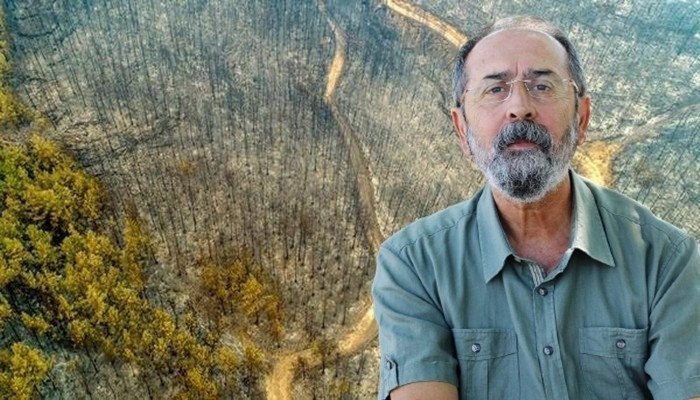
Boğaziçi University Climate Change and Policy Application and Research Center Board Member Prof. Dr. Murat Türkeş




Won't it happen to us?
The Valencia flood disaster in Spain is frightening, and it's impossible to say it won't happen to us. The climate crisis is a major problem for all countries, especially those around the Mediterranean.
In eastern Spain's Valencia at the end of October, a year's worth of rain fell in a single day, causing catastrophic flooding. The region was inundated, destroying bridges, roads, and towns. The death toll in Valencia alone reached 215, while the total number of deaths nationwide, including in Castile-La Mancha and Andalusia, reached 223.
The reason is the climate crisis…
Rising temperatures resulting from the climate crisis are causing water to evaporate rapidly, leading to droughts, while also allowing warm air to hold more moisture. This increases the likelihood of catastrophic downpours like the one experienced in Valencia. Scientists warn that extreme weather events are increasing in the region due to climate change. Experts say that the warming of the Mediterranean is accelerating water evaporation, triggering heavy rainfall.
“They couldn't manage the disaster.” We remember this from somewhere
Meanwhile, at demonstrations held in Valencia and Alicante, called upon by 65 regional civil society organizations (NGOs), a crowd marching behind a banner reading "Mazon resign" blamed Mazon, the president of the Valencian autonomous government, for the deaths of so many in the floods. The NGOs organizing the demonstration said, "We are angry, but this is a silent anger, and we wanted to bring it to the squares. The Valencian autonomous government has been incompetent in managing the crisis. They are unfit to lead the lives of Valencians. They failed to manage a natural disaster. They were late in sounding the alarm. Now they are incompetent in cleanup and delivering aid. This situation will continue during reconstruction. Therefore, they must resign."
A tornado climatology has formed in the Mediterranean and Türkiye.
Türkiye has also raised concerns about the issue. According to Prof. Dr. Murat Türkeş, a Board Member of Boğaziçi University's Climate Change and Policy Application and Research Center, who spoke to Hazal Ocak of Duvar Gazetesi, “There has been a significant increase in the number of tornadoes in the Mediterranean basin, and even in Türkiye, over the last 20 years. Climate change has created a tornado climatology in both the Mediterranean and Türkiye. The negative impacts of climate change in Türkiye can be summarized as follows: We see that the duration, intensity, and magnitude of high air temperatures will increase. The impact of winter droughts may intensify. Evaporation is also increasing. Soil moisture is also decreasing. In the western and southern halves of Türkiye, we expect much hotter and drier summers, and if there is precipitation, climates that can produce excessive rainfall. In a region where soil moisture decreases, the fire climate also changes. In other words, we have begun to experience more of the types of fire-related weather patterns that facilitate large fires.”
Boğaziçi University Climate Change and Policy Application and Research Center Board Member Prof. Dr. Murat Türkeş

 Turkish