

This time they told Şimşek

The sector has increased its exports, with landscape and ornamental plants exports reaching 12,865 million as of May 2024. However, SÜSBİR is seeking solutions to the difficulties in export transactions, which have become a virtual obstacle course.
VAT is a major issue
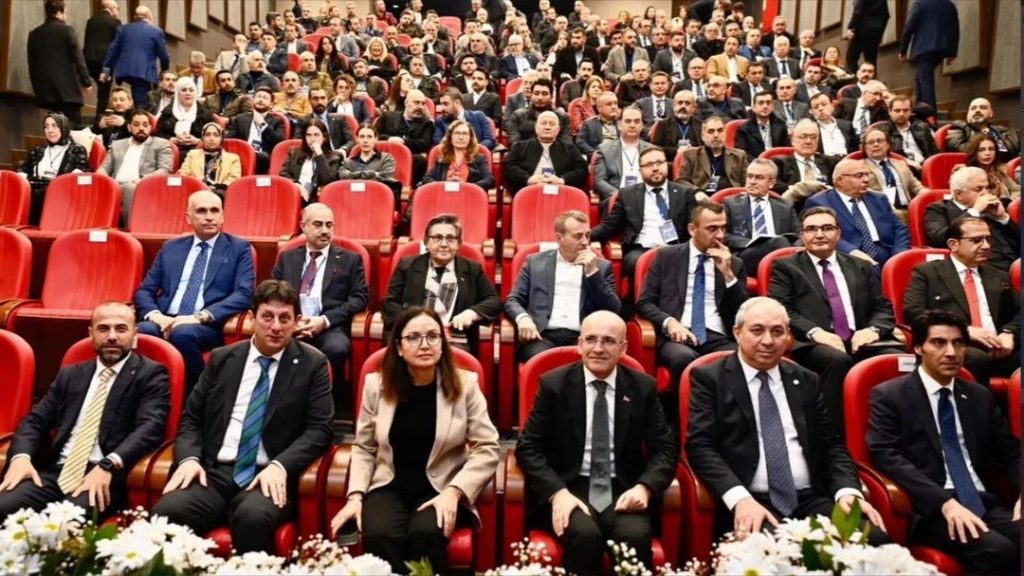
Yalova Ticaret ve Sanayi Odası’nda düzenlenen ‘İş Dünyası Buluşması’ toplantısına Hazine ve Maliye Bakanı Mehmet Şimşek de katıldı. Konferans sonrası sektör temsilcileriyle yapılan kapalı toplantıda SÜSBİR Yönetim Kurulu Üyesi Ahmet Dündar sektörün taleplerini Şimşek’e doğrudan anlattı. Bitkisel üretim içerisinde KDV oranı %20 olan tek sektör olduğumuzu ifade eden Dündar, Peyzaj ve Süs Bitkileri Sektörü’nde KDV oranının düşürülmesinin acil bir ihtiyaç olduğunu vurguladı. Dündar, benzer üretim koşullarına sahip bitki üreticileri Ziraat Bankası Kredilerinden 0 faizle yararlanırken, peyzaj ve bitkisi üreticilerinin %50’sinin sübvanse edildiğini bu uygulamanın yatırımları zorlaştırdığına dikkat çekti.
Analysis cost…
Dündar stated that analyses conducted in plant exports impose an additional financial burden on producers. Unlike other branches of agriculture, exports often involve multiple plant species in a single shipment. Due to the high analysis fees for samples taken from each plant species, as required by agricultural quarantine practices, transportation costs increase significantly. He emphasized the need to reduce analysis fees in light of the sector's diverse product range. Dündar later presented a report outlining the sector's current status.
All channels are struggling…
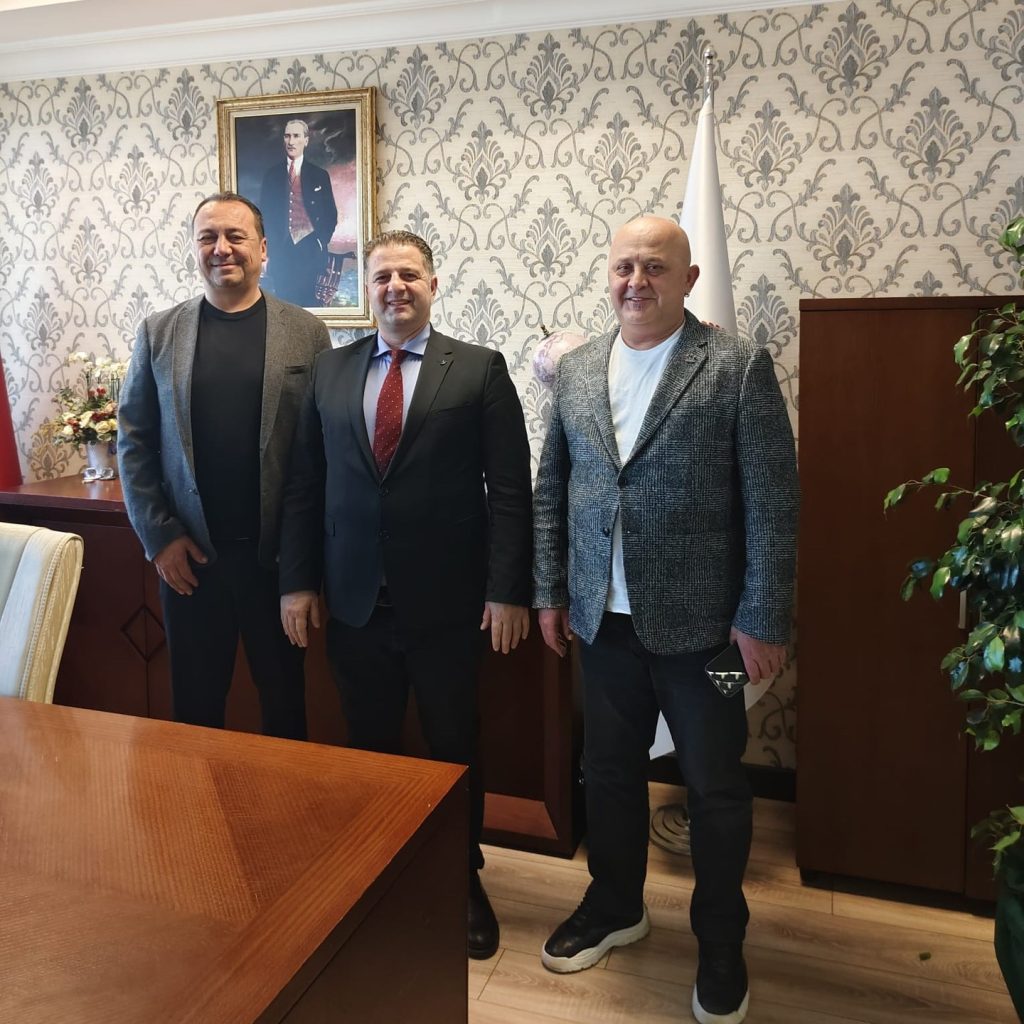
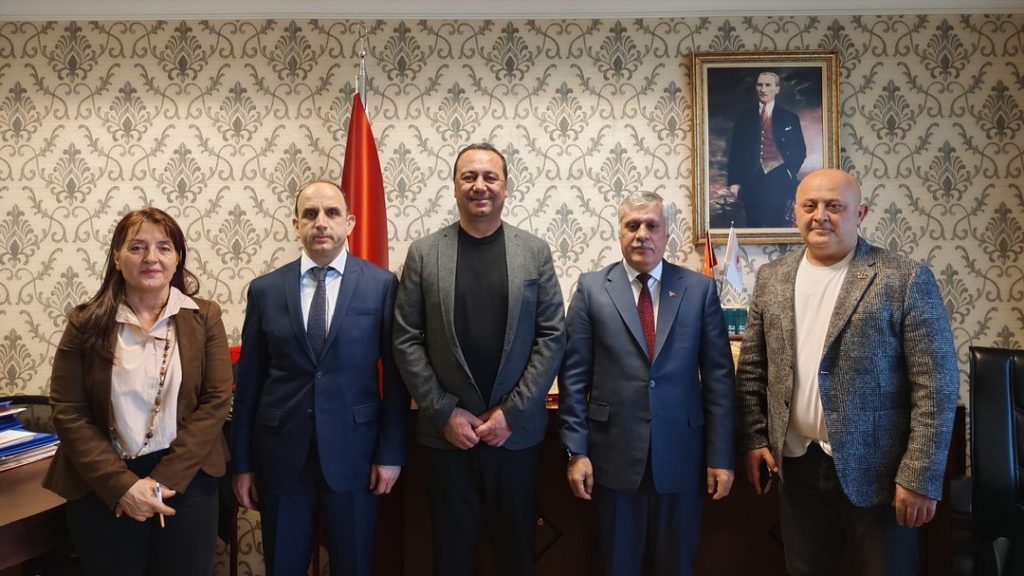
Meanwhile, before the meeting in Yalova, SÜSBİR Chairman Savaş Akcan and Board Member Ahmet Korhan Çiçek visited Yunus Bayram, Deputy Director General of Food and Control at the Ministry of Agriculture and Forestry, in his office on December 23, 2024. The two discussed export challenges, focusing on high analysis fees, ensuring the same quarantine regulations are applied across all provinces, and lobbying recipient countries to ease quarantine restrictions for export destinations. Meanwhile, a consensus was reached on cooperation on emerging issues to prevent export disruptions.


This time they told Şimşek
The sector has increased its exports, with landscape and ornamental plants exports reaching 12,865 million as of May 2024. However, SÜSBİR is seeking solutions to the difficulties in export transactions, which have become a virtual obstacle course.
VAT is a major issue
Yalova Ticaret ve Sanayi Odası’nda düzenlenen ‘İş Dünyası Buluşması’ toplantısına Hazine ve Maliye Bakanı Mehmet Şimşek de katıldı. Konferans sonrası sektör temsilcileriyle yapılan kapalı toplantıda SÜSBİR Yönetim Kurulu Üyesi Ahmet Dündar sektörün taleplerini Şimşek’e doğrudan anlattı. Bitkisel üretim içerisinde KDV oranı %20 olan tek sektör olduğumuzu ifade eden Dündar, Peyzaj ve Süs Bitkileri Sektörü’nde KDV oranının düşürülmesinin acil bir ihtiyaç olduğunu vurguladı. Dündar, benzer üretim koşullarına sahip bitki üreticileri Ziraat Bankası Kredilerinden 0 faizle yararlanırken, peyzaj ve bitkisi üreticilerinin %50’sinin sübvanse edildiğini bu uygulamanın yatırımları zorlaştırdığına dikkat çekti.
Analysis cost…
Dündar stated that analyses conducted in plant exports impose an additional financial burden on producers. Unlike other branches of agriculture, exports often involve multiple plant species in a single shipment. Due to the high analysis fees for samples taken from each plant species, as required by agricultural quarantine practices, transportation costs increase significantly. He emphasized the need to reduce analysis fees in light of the sector's diverse product range. Dündar later presented a report outlining the sector's current status.
All channels are struggling…
Meanwhile, before the meeting in Yalova, SÜSBİR Chairman Savaş Akcan and Board Member Ahmet Korhan Çiçek visited Yunus Bayram, Deputy Director General of Food and Control at the Ministry of Agriculture and Forestry, in his office on December 23, 2024. The two discussed export challenges, focusing on high analysis fees, ensuring the same quarantine regulations are applied across all provinces, and lobbying recipient countries to ease quarantine restrictions for export destinations. Meanwhile, a consensus was reached on cooperation on emerging issues to prevent export disruptions.

 Turkish