

Olive fruit tree export is free!

Exports of olives and other cultivated fruit trees, which can only be consumed domestically, have been permitted. Could this alleviate the difficulties caused by the economic downturn that is increasingly affecting the sector? SUSBIR We learn from President Savaş Akcan.
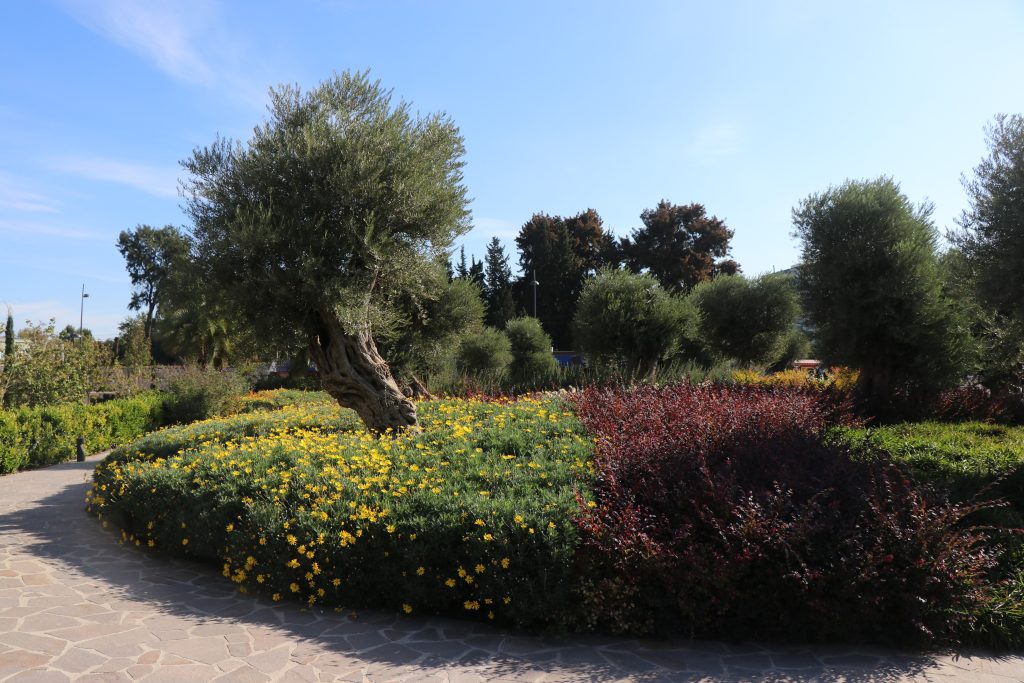
Grown olive trees have become popular plants in landscaping applications in recent years.
Olive groves and fruit trees…
When the import and export of uncertified fruit saplings was banned in 2020, the export of our cultivated fruit trees for landscaping was also banned. Olives, on the other hand, were previously a banned variety. We tried to explain at the time that this decision would harm the sector and cause export difficulties.

SÜSBİR President Savaş Akcan and SÜSBİR Board Member Ahmet Korhan Çiçek with officials from the Ministry of Agriculture.
We explained that fruit growing in our country is done on very large areas, and that, just like fashion, we change fruit crops every 10-15 years, switching from oranges to avocados, plums to nectarines depending on consumer preferences. When producers were changing fruit varieties, they were uprooting existing fruit trees because they couldn't establish orchards and selling them to bakeries for firewood. Some were then potted by landscaping companies for landscaping.
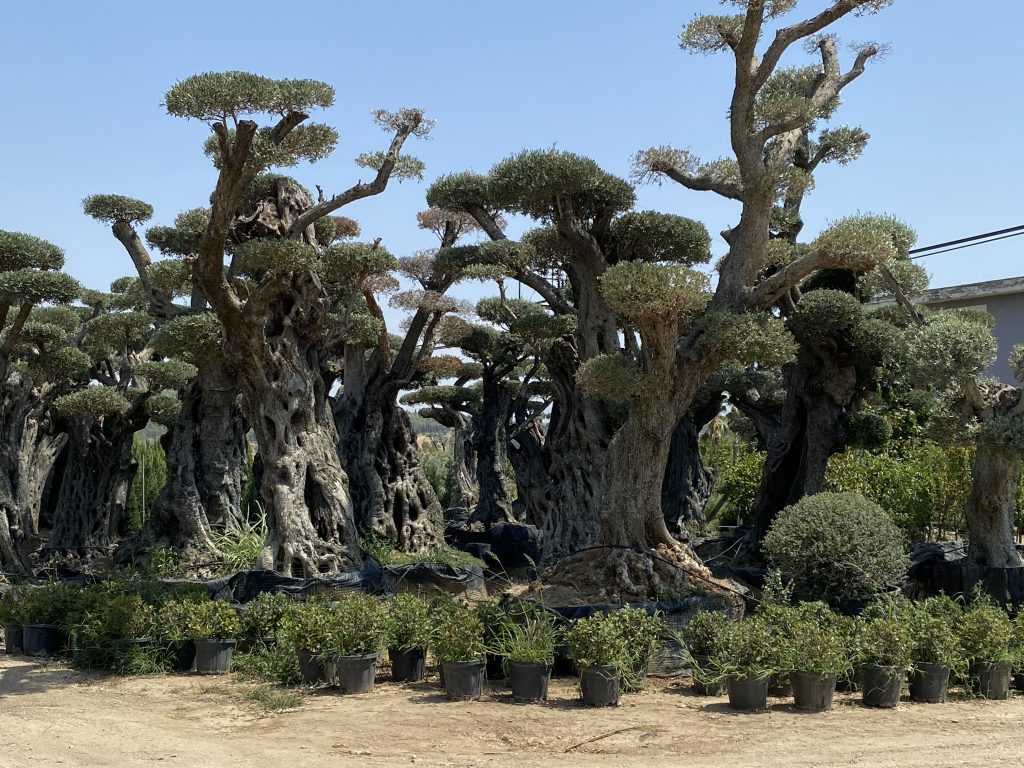
Saving trees that will be burned…
During expropriation efforts, particularly during highway construction, significant quantities of olive trees were at risk of being burned for firewood. In this situation, sector companies strained their resources, stockpiling some of the olive trees in pots. Because there was insufficient demand in the domestic market for these olive and fruit trees, they were not being consumed. There was demand for these trees from the Turkic Republics, the Gulf States, and even France and Spain, but due to the ban, we were unable to export them.
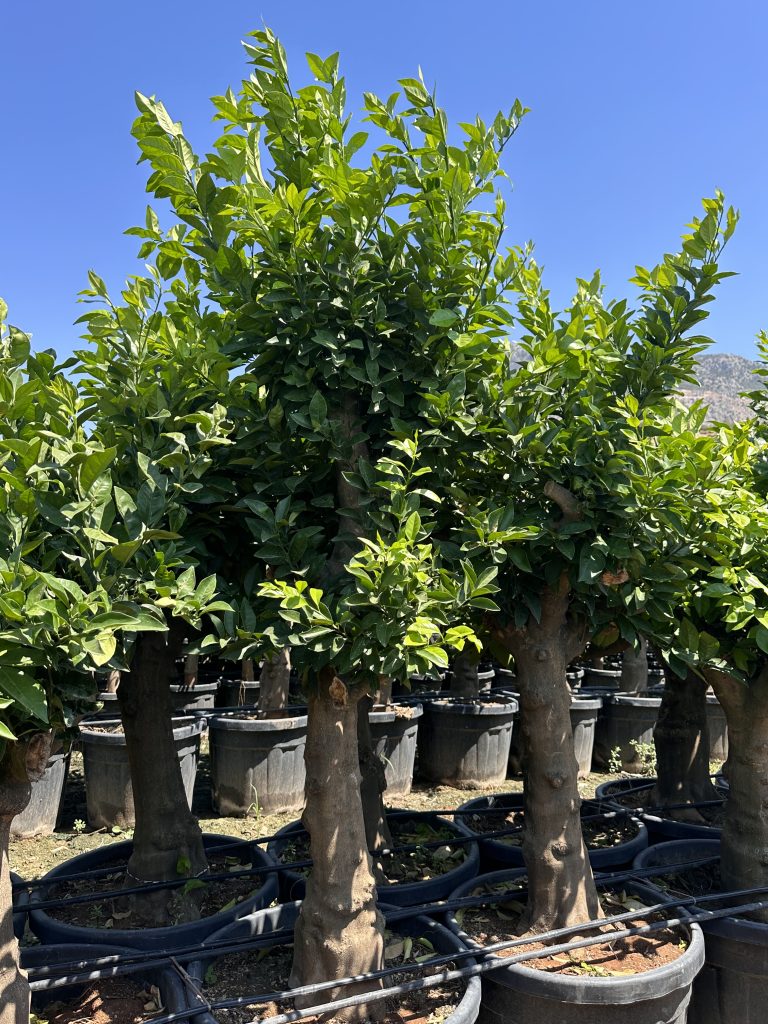
We've been emphasizing this issue in our meetings with the ministry since 2020. We were given the justification of "protecting endemic olive species." We explained that these efforts can now be accomplished through tissue culture, not by importing plants, but by taking a piece of tissue.
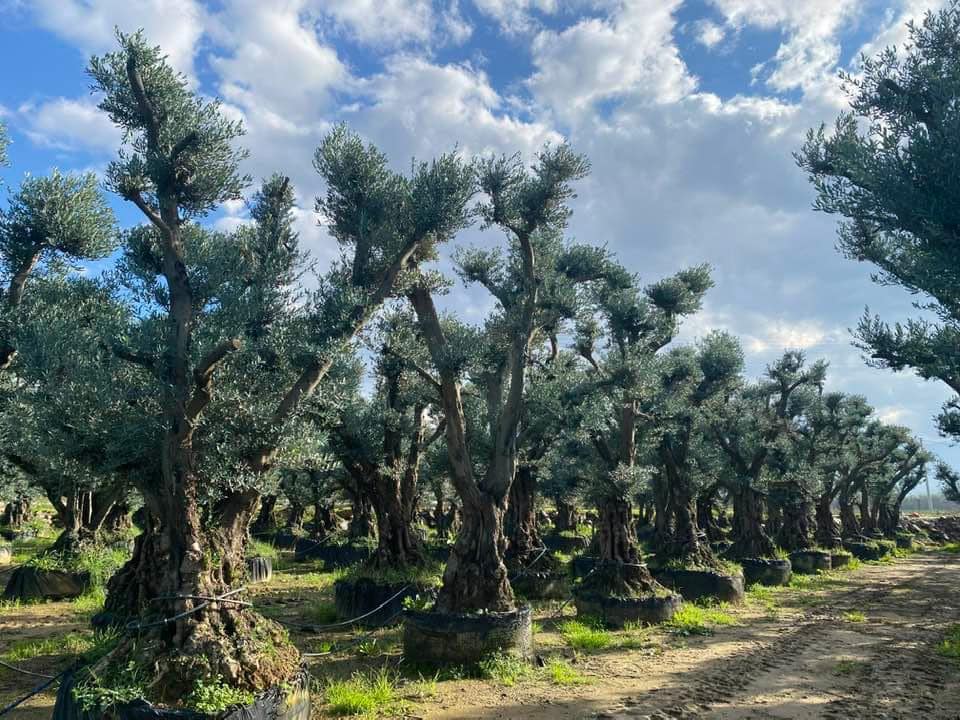
Eventually, it became clear that some classical prohibitions had no meaning anymore. Republic of Turkey Ministry of Trade removed the barrier to fruit tree exports, including olives.
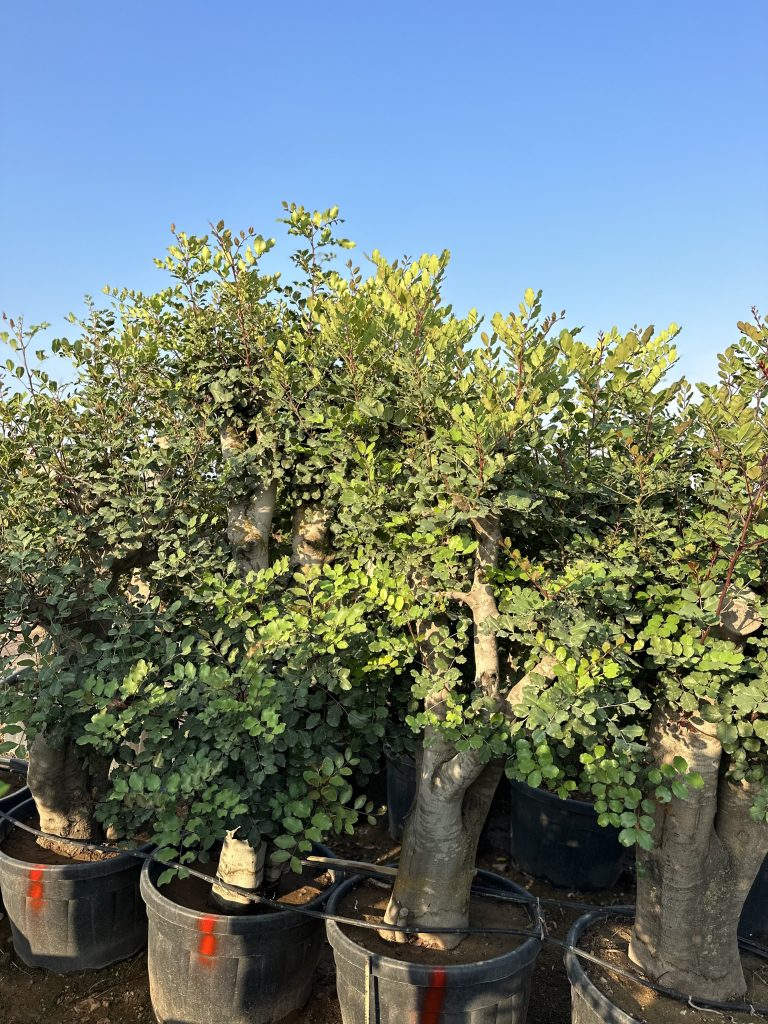
When stocks in nurseries run out…
According to the amendment approved by the Ministry of Trade, sales of olive and fruit trees in stock are permitted until January 1, 2027. After this date, plants removed from orchards subject to expropriation or species changes can be exported after certification with the approval of the provincial or district agricultural directorates.
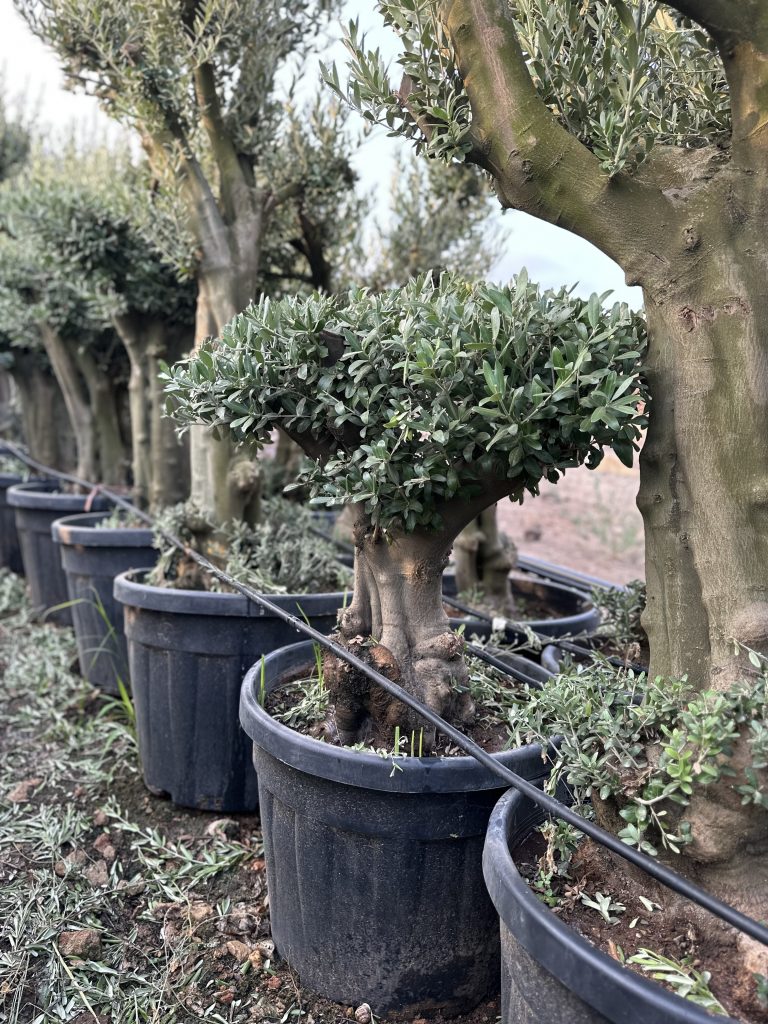
We estimate that the stocks in our nurseries will be depleted by 2027. This means that starting in January 2027, not everyone will be able to uproot and sell olive trees as they please.
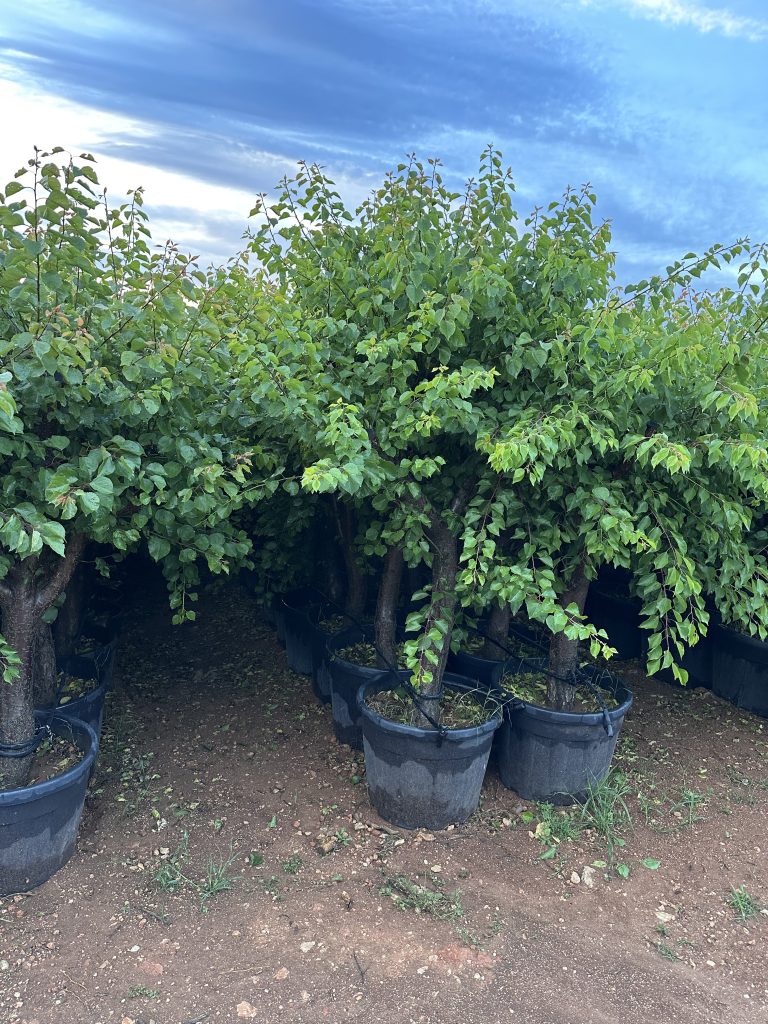
Will it contribute to exports?
Because we couldn't export mature olive and fruit trees, importers who wanted to procure them often had to forgo other landscaping products they'd ordered. This limited our export capabilities.

I believe this liberalization could help overcome the sector's accumulated economic difficulties. We estimate a $40-50 million increase in exports this year compared to last year.






Olive fruit tree export is free!
Exports of olives and other cultivated fruit trees, which can only be consumed domestically, have been permitted. Could this alleviate the difficulties caused by the economic downturn that is increasingly affecting the sector? SUSBIR We learn from President Savaş Akcan.
Grown olive trees have become popular plants in landscaping applications in recent years.
Olive groves and fruit trees…
When the import and export of uncertified fruit saplings was banned in 2020, the export of our cultivated fruit trees for landscaping was also banned. Olives, on the other hand, were previously a banned variety. We tried to explain at the time that this decision would harm the sector and cause export difficulties.
SÜSBİR President Savaş Akcan and SÜSBİR Board Member Ahmet Korhan Çiçek with officials from the Ministry of Agriculture.
We explained that fruit growing in our country is done on very large areas, and that, just like fashion, we change fruit crops every 10-15 years, switching from oranges to avocados, plums to nectarines depending on consumer preferences. When producers were changing fruit varieties, they were uprooting existing fruit trees because they couldn't establish orchards and selling them to bakeries for firewood. Some were then potted by landscaping companies for landscaping.
Saving trees that will be burned…
During expropriation efforts, particularly during highway construction, significant quantities of olive trees were at risk of being burned for firewood. In this situation, sector companies strained their resources, stockpiling some of the olive trees in pots. Because there was insufficient demand in the domestic market for these olive and fruit trees, they were not being consumed. There was demand for these trees from the Turkic Republics, the Gulf States, and even France and Spain, but due to the ban, we were unable to export them.
We've been emphasizing this issue in our meetings with the ministry since 2020. We were given the justification of "protecting endemic olive species." We explained that these efforts can now be accomplished through tissue culture, not by importing plants, but by taking a piece of tissue.
Eventually, it became clear that some classical prohibitions had no meaning anymore. Republic of Turkey Ministry of Trade removed the barrier to fruit tree exports, including olives.
When stocks in nurseries run out…
According to the amendment approved by the Ministry of Trade, sales of olive and fruit trees in stock are permitted until January 1, 2027. After this date, plants removed from orchards subject to expropriation or species changes can be exported after certification with the approval of the provincial or district agricultural directorates.
We estimate that the stocks in our nurseries will be depleted by 2027. This means that starting in January 2027, not everyone will be able to uproot and sell olive trees as they please.
Will it contribute to exports?
Because we couldn't export mature olive and fruit trees, importers who wanted to procure them often had to forgo other landscaping products they'd ordered. This limited our export capabilities.
I believe this liberalization could help overcome the sector's accumulated economic difficulties. We estimate a $40-50 million increase in exports this year compared to last year.

 Turkish