

A very accurate warning…

While fulfilling its duty to maintain, repair, and clean up facilities in public parks, gardens, and municipal facilities, the Kayseri Metropolitan Municipality also issued a warning to its citizens. The warning is timely and justified. So, how does this work globally? In many cities around the world, when a park or recreational area is built in a residential area, the residents are consulted for their input, requests, and opinions, and their approval is obtained. This process creates a learning process that fosters awareness and ownership. Afterward, the management of large parks and recreational areas is handed over to the residents of the area.
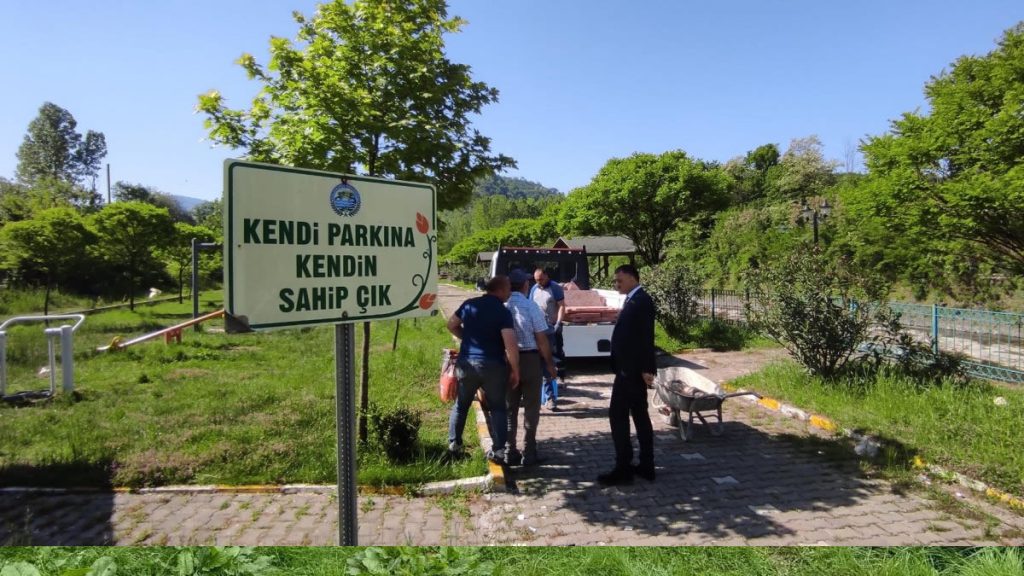
So, don't those who use the parks have any responsibility?
The Kayseri Metropolitan Municipality rightly warned its citizens while carrying out maintenance, repair and environmental cleaning activities in the parks and gardens serving the public and in municipal facilities in Kayseri as part of its duties…
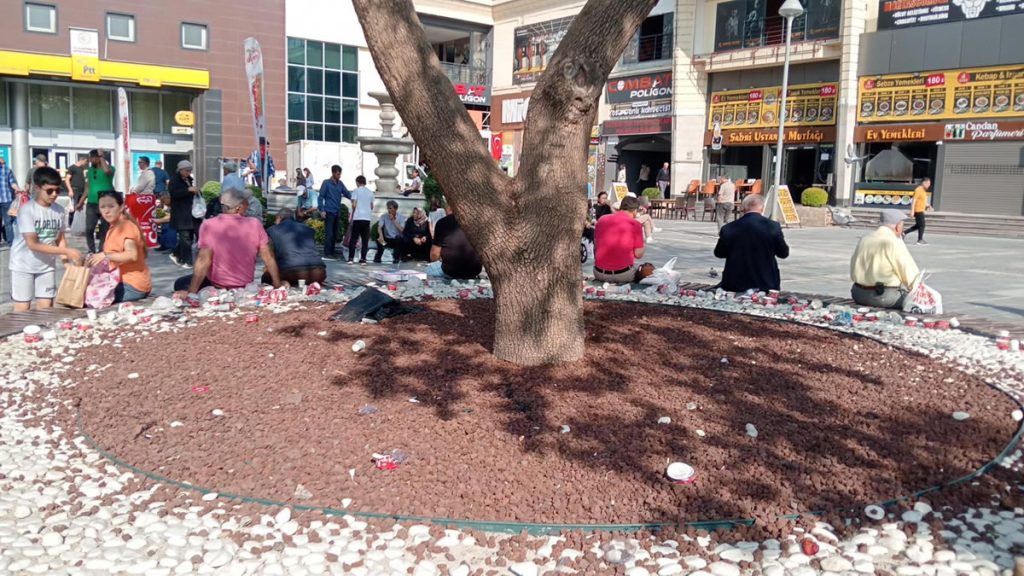
Kayseri Metropolitan Municipality expects citizens to be sensitive to the protection of the environment and public facilities. Kayseri Metropolitan Municipality officials emphasize that the environment and public service facilities are shared values for all citizens, emphasizing the need to take care to protect and clean these facilities, which serve as second homes for people.
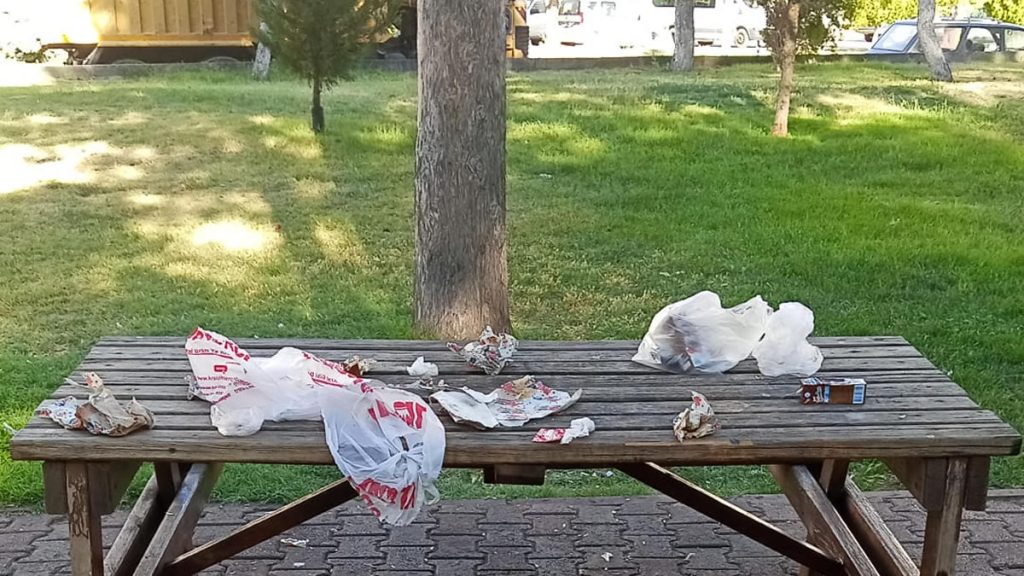
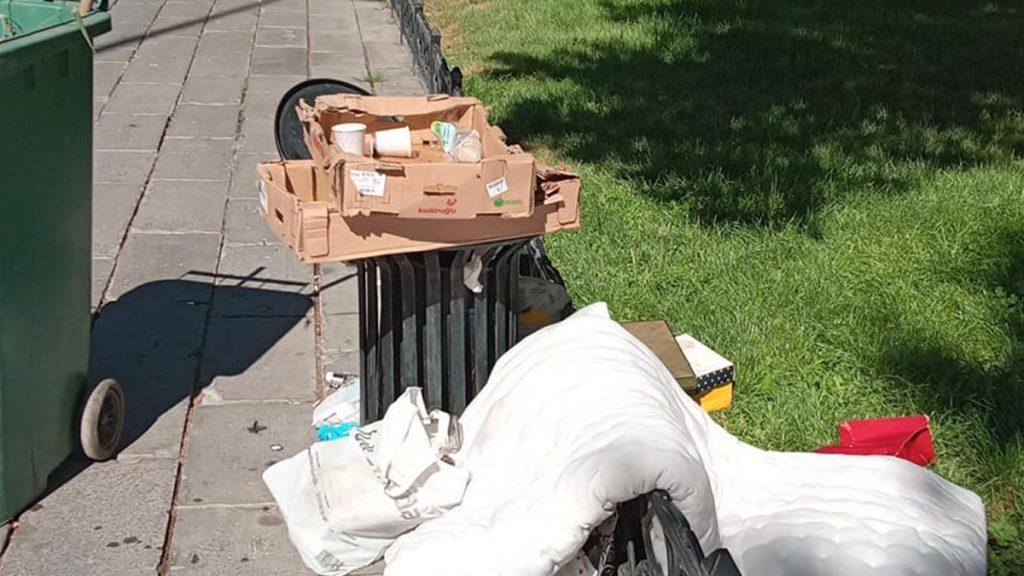
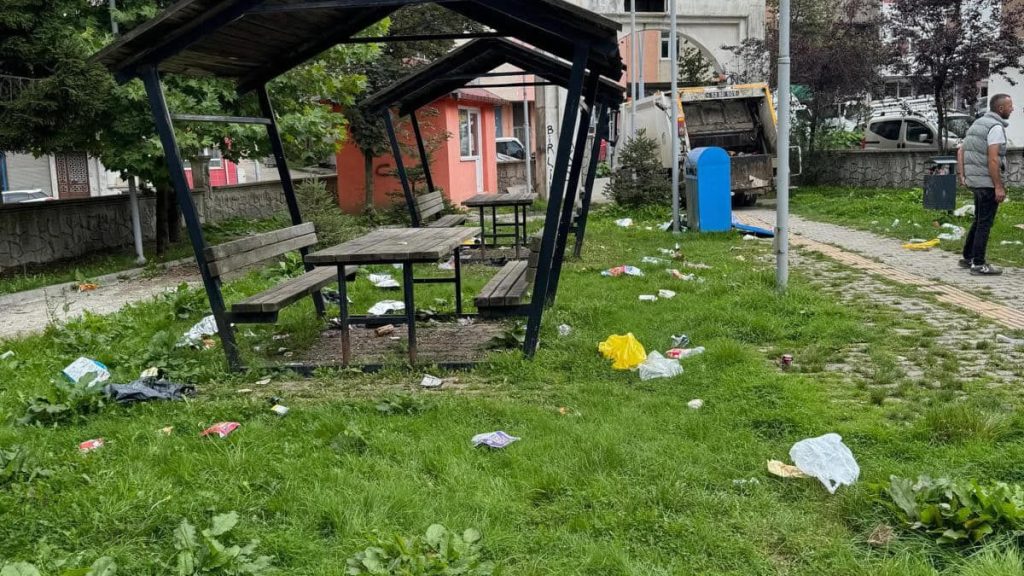
It is possible to come across these images frequently in a park anywhere in our country.
Collaboration with those who consume the service…
The news in question was taken from the Kayseri Metropolitan Municipality website. We encounter these and similar situations in every city's parks and gardens. So, these problems aren't just Kayseri's; they're problems for all local governments in our country. So how can citizens' habits be changed? Of course, the answer isn't "education." The solution, however, is easy.
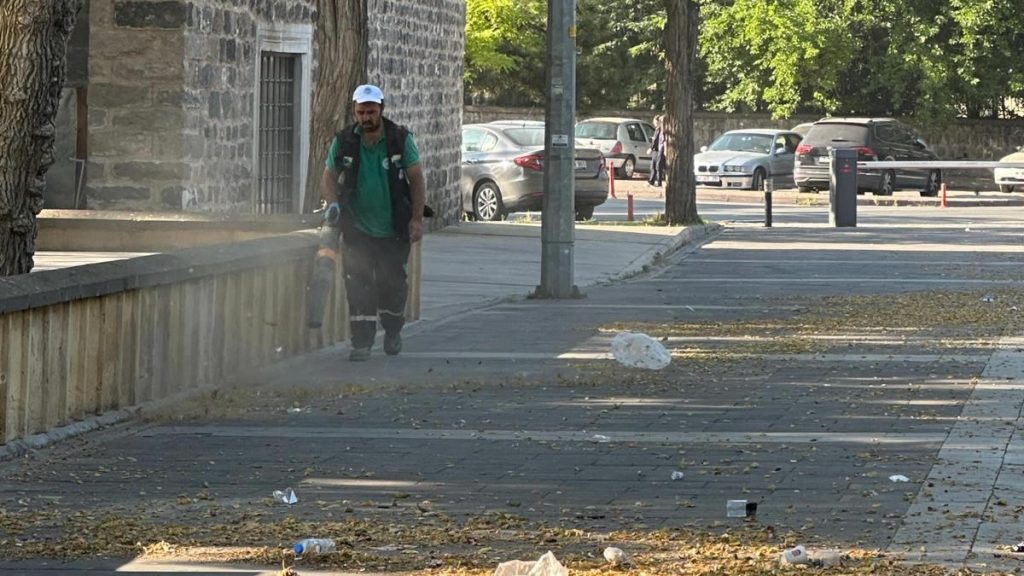
In many cities around the world, when a park or recreational area is being built in a residential area, the residents are consulted for their input, requests, and opinions, and their approval is obtained. This practice creates a learning process of becoming informed and taking ownership.
Subsequently, management of large parks and recreational areas, in particular, is left to the local citizens. The resulting citizen initiative assumes responsibility for the park, with established management rules, while the local government oversees the process and collaborates in implementing the decisions made.
So, has anyone seen a local government implementing this in Türkiye? We haven't encountered any. NOTE: This comment isn't specific to Kayseri; it simply sparked the discussion.



A very accurate warning…
While fulfilling its duty to maintain, repair, and clean up facilities in public parks, gardens, and municipal facilities, the Kayseri Metropolitan Municipality also issued a warning to its citizens. The warning is timely and justified. So, how does this work globally? In many cities around the world, when a park or recreational area is built in a residential area, the residents are consulted for their input, requests, and opinions, and their approval is obtained. This process creates a learning process that fosters awareness and ownership. Afterward, the management of large parks and recreational areas is handed over to the residents of the area.
So, don't those who use the parks have any responsibility?
The Kayseri Metropolitan Municipality rightly warned its citizens while carrying out maintenance, repair and environmental cleaning activities in the parks and gardens serving the public and in municipal facilities in Kayseri as part of its duties…
Kayseri Metropolitan Municipality expects citizens to be sensitive to the protection of the environment and public facilities. Kayseri Metropolitan Municipality officials emphasize that the environment and public service facilities are shared values for all citizens, emphasizing the need to take care to protect and clean these facilities, which serve as second homes for people.
It is possible to come across these images frequently in a park anywhere in our country.
Collaboration with those who consume the service…
The news in question was taken from the Kayseri Metropolitan Municipality website. We encounter these and similar situations in every city's parks and gardens. So, these problems aren't just Kayseri's; they're problems for all local governments in our country. So how can citizens' habits be changed? Of course, the answer isn't "education." The solution, however, is easy.
In many cities around the world, when a park or recreational area is being built in a residential area, the residents are consulted for their input, requests, and opinions, and their approval is obtained. This practice creates a learning process of becoming informed and taking ownership.
Subsequently, management of large parks and recreational areas, in particular, is left to the local citizens. The resulting citizen initiative assumes responsibility for the park, with established management rules, while the local government oversees the process and collaborates in implementing the decisions made.
So, has anyone seen a local government implementing this in Türkiye? We haven't encountered any. NOTE: This comment isn't specific to Kayseri; it simply sparked the discussion.

 Turkish