

Five years before the climate law

Neither today's climate change nor the "arid landscaping" practices of local governments exist. With the change of the Istanbul Metropolitan Municipality Mayor in the 2019 local elections, the management of the Istanbul Metropolitan Municipality Parks and Gardens also changes. YAYSİS (Green Area Management System) and the Istanbul Metropolitan Municipality's digitalized green space management strategy document are leading to a shift in all paradigms regarding green space management and urban landscaping. Instead of a showcase-oriented landscape that disregards water, cost, and ecology, a strategy that invests in the future is being implemented in Istanbul's landscape. Dr. Ahmet Cemil Tepe was at the center and driving the R&D of this process. He traveled the world for this purpose. The Istanbul Metropolitan Municipality Parks and Gardens Department continues to implement this strategy. It's worth getting to know Dr. Ahmet Cemil Tepe, who is currently the Chairman of the IMM Green Istanbul Fund Projects Commission.
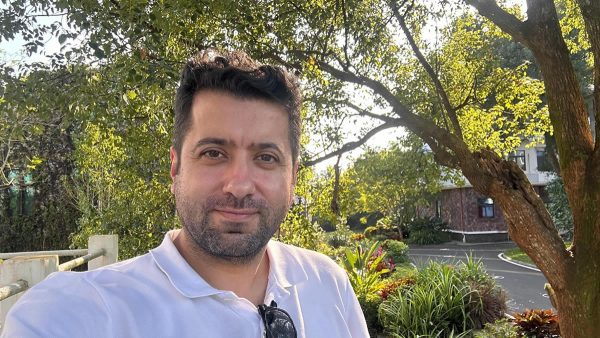
Dr. Ahmet Cemil Tepe
Knowing Frederick Low Olmsted when he was a high school student…
I was born and raised in a village in Kastamonu, surrounded by nature. I grew up in the city of Thrace until university. I was interested in parks, gardens, and architecture from a very young age. I loved reading and learning new things. I started reading books in high school. The more you read, the more you learn. You develop an understanding of what's happening at a young age. So, I learned about landscape architecture in high school. When I was accepted into the Landscape Architecture Department at Abant İzzet Baysal University, our professor asked, "Did you know about this profession? Did you choose it deliberately?" I told him that even if I had ranked first in Turkey, I would have chosen this department on the University Entrance Exam (ÖSS). I told him I loved the profession and told him about Frederick Low Olmsted. He was surprised. I graduated from university in 2007. Afterward, I started working in the private sector, pursuing both business and graduate studies. I worked for many companies in the private sector, including my own business. It was a valuable experience for me.
The mayor personally interviewed the landscape architect…
When the private sector didn't meet my expectations, I returned to academia. While preparing for my doctorate, and unemployed, a friend asked me, "Would you like to come to Sancaktepe Municipality?" I said, "I'm not a political figure. Even if I did, they wouldn't hire me. I think I was the only person then-Mayor İsmail Erdem interviewed. After the interview, I quickly transitioned to the public sector. Unexpectedly, I became a civil servant thanks to the parks and gardens manager at the time. It was different… You do the work you've learned, and when you do it well, you're given opportunities and it benefits the public. We did a lot of work in Sancaktepe… In the last year I left, we designed and implemented 34 neighborhood parks. Meanwhile, my doctorate was completed.
Grass on the slopes will be removed, seasonal flowers will be reduced and removed, sound barriers will be built, drought-resistant plants will be used…
While working in Sancaktepe, they brought me a section detail from the highways. A friend of mine who works at the Istanbul Metropolitan Municipality (IMM) had sent it to us, and they were asking, "Can you recommend plants that would complement this detail?" It really caught my attention... I wondered who had thought of this. Because the highway transformation project was supposed to reduce or remove the grass and seasonal flowers along the slopes, create a sound barrier, and use drought-tolerant plants. This sounded fantastic, I thought. So, who suggested these things? They said, Professor Dr. Yasin Çağatay Seçkin.
I had the opportunity to meet Çağatay Hoca. After chatting with him for a bit, we were on the same page and sharing the same topics. I immediately transferred to the Istanbul Metropolitan Municipality (IMM) and started working as the Haliç Regional Manager. The first thing I saw when I arrived was that the institution was a very large one, managing 60 million square meters of land and employing nearly 4,000 employees. However, monitoring and managing green spaces operated under a very problematic system. Getting to grips with this vast system, working in the region and the field, was also very beneficial. Then Çağatay Hoca invited me to the R&D unit at headquarters. In the summer of 2020, I moved to Kasımpaşa. Çağatay Hoca had already initiated a strategic plan. According to this, green spaces were a habitat, a habitat that also impacted urban wildlife, an ecological corridor, the city's climate… We needed to put these things together and explain them, he said. Thus, intermediary brands were created: Yeşil İstanbul, Yaban İstanbul, Oyun İstanbul. I was now leading the R&D team that developed this strategy. We have now begun to investigate how the problems in green spaces around the world have been solved.
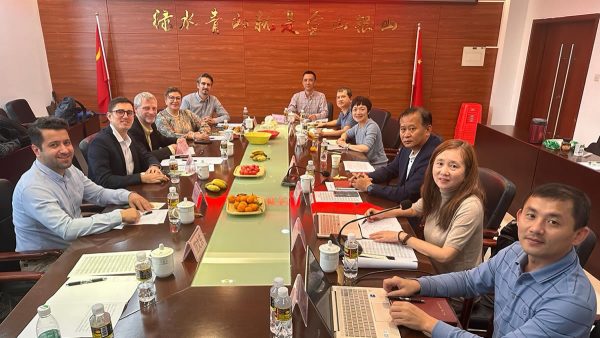
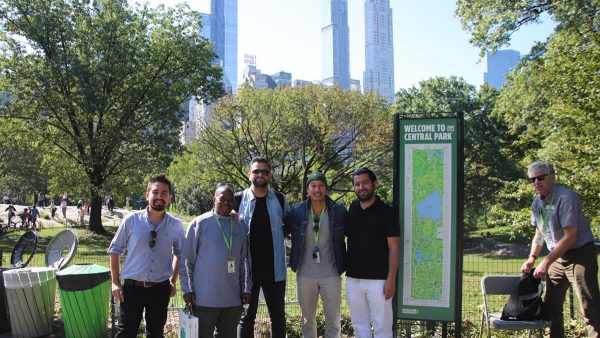
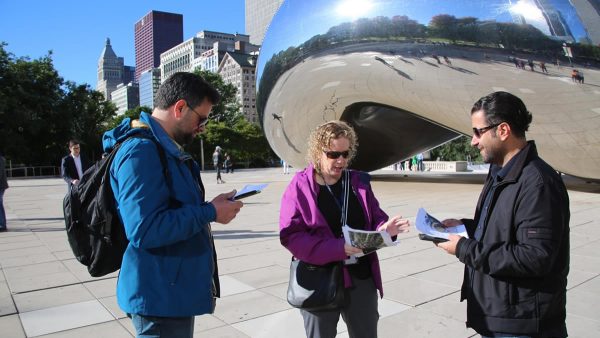
World examples…
While researching the Central Park Conservancy system in the United States, for example, vandalism in parks is a major problem in every country, but we were looking at how they had solved this problem. Meanwhile, we were trying to learn about sponge urbanism from China. We closely examined best practices by meeting with their officials. We did all of this with resources provided by international organizations. This international research later led us to establish the International Fund Projects Commission.
Algorithms that can see the impact of green spaces on users…
We completed the YAYSIS Green Area Management System Strategy Document, which measures and quantifies all green spaces and includes strategies targeting 2050. We implemented the actions outlined in the Oyun Istanbul master plan. Green spaces were progressing toward a point of high social impact and valuable ecological value. We began working with algorithms that prioritize biodiversity and ecosystem services, prioritizing green spaces not just by square meter but by user impact, enabling us to set globally competitive examples. Focus groups worked on the scientific preparation of these projects, and our university professors contributed. Everything was conducted with a shared understanding. When we began these initiatives, both political and economic pressures arose. The country's situation is clear. Beyond that, there's nothing more difficult than changing the norm.
If you have a vision, fund projects can be implemented…
My primary focus right now is national and international funding projects. Thanks to the strategic planning we've developed, we've submitted 52 applications since 2020. Currently, we've secured €8.5 million in grants for the Istanbul Metropolitan Municipality (IMM). However, I see these efforts as a matter of vision, rather than just the money we earn. Because when researching funding projects, you engage with the United Nations and the European Union. You can closely examine the world's best practices and make comparisons. For example, we apply for projects around climate, water, sustainability, circular economy, and positive energy zones. We're currently implementing eight projects within this framework. Four of the eight projects we're implementing are among the EU's largest. These are the EU Horizon Europe Projects, also known as Horizon Europe. We've institutionalized European Union projects. For the first time, we've established a European Union Commission within a department within the Istanbul Metropolitan Municipality (IMM). I continue as the commission's president.
There is no management system for green areas
Ülkemizde en büyük sorun yerel yönetimlerin yeşil alan yönetim sistemlerinin olmaması. Evet, yeşil alanların yönetimine yönelik bir sistem yok. Yeşil alanların yönetimleriyle ilgili gelişmiş hangi şehre bakarsan bak bir sistem var, strateji var ve o strateji uzun soluklu ve her gelen bir stratejiyle gelmiyor, aynı stratejiyi sürdürüyor. Dünyada yeşil alanlarla ilgili bütün çalışmalar uzun vadeli planlarla yürütülüyor. Örneğin New York, en son ağaçlandırma master planı 10 yıllıktı. New York gibi, İstanbul’dan çok daha dezavantajlı bir bölgede, ağaç master planını yapılıyor. Projeksiyon olarak iklime dayanıklı ağaçları seçmişler, nereye dikileceklerini, yapılacak bakım ve karbon tutma kapasitelerine kadar bir sistem geliştirmişler. Ve bunu o kadar basit bir sistemde yapmışlar ki, dijital ortamda izleyebiliyorsun. Avrupa şehirlerinde de benzer birçok örnek var. Bence İstanbul fırsatlarla dolu 560 km kıyı bandı olan iki yarımadadan oluşan halen %44 ü orman olan bir coğrafya. Mavi yeşil altyapı sistemlerini doğru kurguladığınız zaman yeşil alanları şehirleşmenin iyi bir aracı olarak gördüğünüzde işler çok daha güzelleşebilir.


Five years before the climate law
Neither today's climate change nor the "arid landscaping" practices of local governments exist. With the change of the Istanbul Metropolitan Municipality Mayor in the 2019 local elections, the management of the Istanbul Metropolitan Municipality Parks and Gardens also changes. YAYSİS (Green Area Management System) and the Istanbul Metropolitan Municipality's digitalized green space management strategy document are leading to a shift in all paradigms regarding green space management and urban landscaping. Instead of a showcase-oriented landscape that disregards water, cost, and ecology, a strategy that invests in the future is being implemented in Istanbul's landscape. Dr. Ahmet Cemil Tepe was at the center and driving the R&D of this process. He traveled the world for this purpose. The Istanbul Metropolitan Municipality Parks and Gardens Department continues to implement this strategy. It's worth getting to know Dr. Ahmet Cemil Tepe, who is currently the Chairman of the IMM Green Istanbul Fund Projects Commission.
Dr. Ahmet Cemil Tepe
Knowing Frederick Low Olmsted when he was a high school student…
I was born and raised in a village in Kastamonu, surrounded by nature. I grew up in the city of Thrace until university. I was interested in parks, gardens, and architecture from a very young age. I loved reading and learning new things. I started reading books in high school. The more you read, the more you learn. You develop an understanding of what's happening at a young age. So, I learned about landscape architecture in high school. When I was accepted into the Landscape Architecture Department at Abant İzzet Baysal University, our professor asked, "Did you know about this profession? Did you choose it deliberately?" I told him that even if I had ranked first in Turkey, I would have chosen this department on the University Entrance Exam (ÖSS). I told him I loved the profession and told him about Frederick Low Olmsted. He was surprised. I graduated from university in 2007. Afterward, I started working in the private sector, pursuing both business and graduate studies. I worked for many companies in the private sector, including my own business. It was a valuable experience for me.
The mayor personally interviewed the landscape architect…
When the private sector didn't meet my expectations, I returned to academia. While preparing for my doctorate, and unemployed, a friend asked me, "Would you like to come to Sancaktepe Municipality?" I said, "I'm not a political figure. Even if I did, they wouldn't hire me. I think I was the only person then-Mayor İsmail Erdem interviewed. After the interview, I quickly transitioned to the public sector. Unexpectedly, I became a civil servant thanks to the parks and gardens manager at the time. It was different… You do the work you've learned, and when you do it well, you're given opportunities and it benefits the public. We did a lot of work in Sancaktepe… In the last year I left, we designed and implemented 34 neighborhood parks. Meanwhile, my doctorate was completed.
Grass on the slopes will be removed, seasonal flowers will be reduced and removed, sound barriers will be built, drought-resistant plants will be used…
While working in Sancaktepe, they brought me a section detail from the highways. A friend of mine who works at the Istanbul Metropolitan Municipality (IMM) had sent it to us, and they were asking, "Can you recommend plants that would complement this detail?" It really caught my attention... I wondered who had thought of this. Because the highway transformation project was supposed to reduce or remove the grass and seasonal flowers along the slopes, create a sound barrier, and use drought-tolerant plants. This sounded fantastic, I thought. So, who suggested these things? They said, Professor Dr. Yasin Çağatay Seçkin.
I had the opportunity to meet Çağatay Hoca. After chatting with him for a bit, we were on the same page and sharing the same topics. I immediately transferred to the Istanbul Metropolitan Municipality (IMM) and started working as the Haliç Regional Manager. The first thing I saw when I arrived was that the institution was a very large one, managing 60 million square meters of land and employing nearly 4,000 employees. However, monitoring and managing green spaces operated under a very problematic system. Getting to grips with this vast system, working in the region and the field, was also very beneficial. Then Çağatay Hoca invited me to the R&D unit at headquarters. In the summer of 2020, I moved to Kasımpaşa. Çağatay Hoca had already initiated a strategic plan. According to this, green spaces were a habitat, a habitat that also impacted urban wildlife, an ecological corridor, the city's climate… We needed to put these things together and explain them, he said. Thus, intermediary brands were created: Yeşil İstanbul, Yaban İstanbul, Oyun İstanbul. I was now leading the R&D team that developed this strategy. We have now begun to investigate how the problems in green spaces around the world have been solved.
World examples…
While researching the Central Park Conservancy system in the United States, for example, vandalism in parks is a major problem in every country, but we were looking at how they had solved this problem. Meanwhile, we were trying to learn about sponge urbanism from China. We closely examined best practices by meeting with their officials. We did all of this with resources provided by international organizations. This international research later led us to establish the International Fund Projects Commission.
Algorithms that can see the impact of green spaces on users…
We completed the YAYSIS Green Area Management System Strategy Document, which measures and quantifies all green spaces and includes strategies targeting 2050. We implemented the actions outlined in the Oyun Istanbul master plan. Green spaces were progressing toward a point of high social impact and valuable ecological value. We began working with algorithms that prioritize biodiversity and ecosystem services, prioritizing green spaces not just by square meter but by user impact, enabling us to set globally competitive examples. Focus groups worked on the scientific preparation of these projects, and our university professors contributed. Everything was conducted with a shared understanding. When we began these initiatives, both political and economic pressures arose. The country's situation is clear. Beyond that, there's nothing more difficult than changing the norm.
If you have a vision, fund projects can be implemented…
My primary focus right now is national and international funding projects. Thanks to the strategic planning we've developed, we've submitted 52 applications since 2020. Currently, we've secured €8.5 million in grants for the Istanbul Metropolitan Municipality (IMM). However, I see these efforts as a matter of vision, rather than just the money we earn. Because when researching funding projects, you engage with the United Nations and the European Union. You can closely examine the world's best practices and make comparisons. For example, we apply for projects around climate, water, sustainability, circular economy, and positive energy zones. We're currently implementing eight projects within this framework. Four of the eight projects we're implementing are among the EU's largest. These are the EU Horizon Europe Projects, also known as Horizon Europe. We've institutionalized European Union projects. For the first time, we've established a European Union Commission within a department within the Istanbul Metropolitan Municipality (IMM). I continue as the commission's president.
There is no management system for green areas
Ülkemizde en büyük sorun yerel yönetimlerin yeşil alan yönetim sistemlerinin olmaması. Evet, yeşil alanların yönetimine yönelik bir sistem yok. Yeşil alanların yönetimleriyle ilgili gelişmiş hangi şehre bakarsan bak bir sistem var, strateji var ve o strateji uzun soluklu ve her gelen bir stratejiyle gelmiyor, aynı stratejiyi sürdürüyor. Dünyada yeşil alanlarla ilgili bütün çalışmalar uzun vadeli planlarla yürütülüyor. Örneğin New York, en son ağaçlandırma master planı 10 yıllıktı. New York gibi, İstanbul’dan çok daha dezavantajlı bir bölgede, ağaç master planını yapılıyor. Projeksiyon olarak iklime dayanıklı ağaçları seçmişler, nereye dikileceklerini, yapılacak bakım ve karbon tutma kapasitelerine kadar bir sistem geliştirmişler. Ve bunu o kadar basit bir sistemde yapmışlar ki, dijital ortamda izleyebiliyorsun. Avrupa şehirlerinde de benzer birçok örnek var. Bence İstanbul fırsatlarla dolu 560 km kıyı bandı olan iki yarımadadan oluşan halen %44 ü orman olan bir coğrafya. Mavi yeşil altyapı sistemlerini doğru kurguladığınız zaman yeşil alanları şehirleşmenin iyi bir aracı olarak gördüğünüzde işler çok daha güzelleşebilir.

 Turkish